How to Play Online Slots: Reading the Paytable, Setting the Stake and Understanding Wins
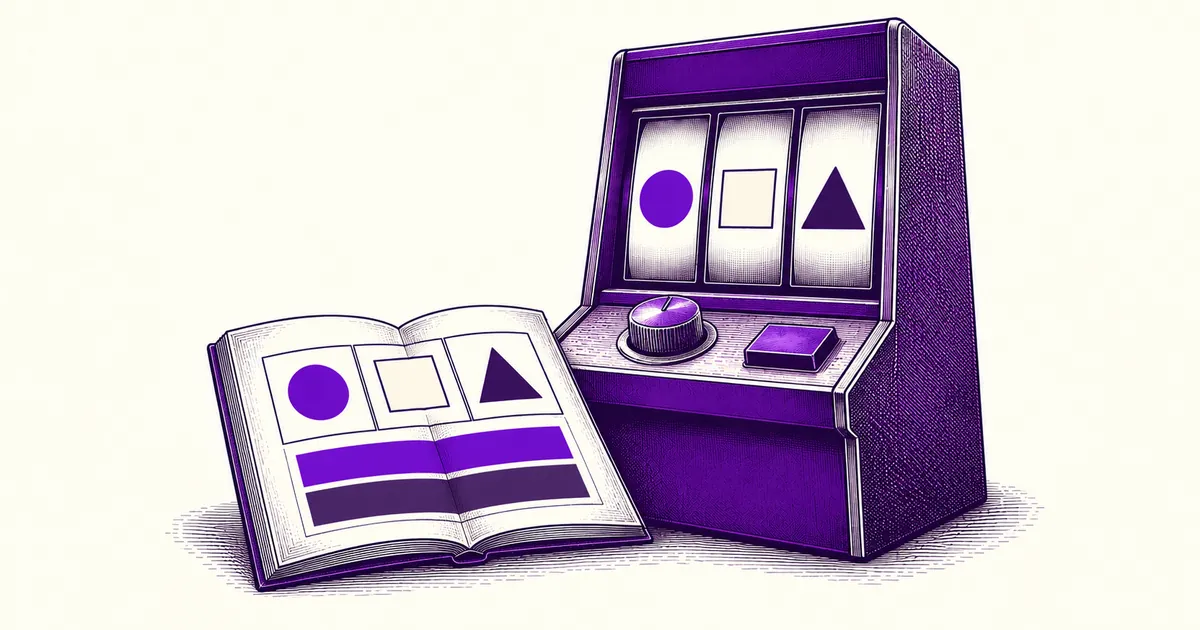
To play an online slot, open its paytable and rules before the first spin, choose a total stake per spin within the game’s bet range, spin, and judge each result against your stake rather than against the “win” message. A payout smaller than your stake is a net loss, and in Ontario the rules forbid games from celebrating it as a win and require the screen to show your session’s net position in Canadian dollars. The rules screen also gives the game’s return to player, which Ontario’s standards require before a bet. Bet ranges differ widely: on October 19 and 20, 2026, OLG.ca listed Divine Fortune Gold from C$0.10 to C$14 a spin and Wolf Gold from C$0.25 to C$125.
Casinos for players in Canada
Featured casinos pay us commission. Affiliate disclosure
-
 Spinrise Up to €5,555 + 257 Free Spins Offer from our affiliate partner's list, October 23, 2026. Check the casino's terms. Visit Spinrise (opens in a new tab) T&Cs apply. 19+ (18+ in Alberta, Manitoba and Quebec). Responsible gambling
-
 NorthSpin Up to €7,000 + 250 FS Offer from our affiliate partner's list, October 23, 2026. Check the casino's terms. Visit NorthSpin (opens in a new tab) T&Cs apply. 19+ (18+ in Alberta, Manitoba and Quebec). Responsible gambling
-
 JeetCity Up to $10,000 + 180 Free Spins Offer from our affiliate partner's list, October 23, 2026. Check the casino's terms. Visit JeetCity (opens in a new tab) T&Cs apply. 19+ (18+ in Alberta, Manitoba and Quebec). Responsible gambling
Step 1: What should you read on the paytable?
The paytable and rules screen, often behind an “i” or menu icon, explain four things:
- What pays. Each symbol and how many in a row, or in a cluster, earn a payout.
- How wins are counted. On fixed lines, along ways, or by clusters, and in which direction.
- Features. What triggers free spins or a bonus round, and what they pay.
- Return to player. The long-run share of stakes the game pays back. In Ontario, the AGCO’s standards require game rules or help pages to give information on odds of winning, payout odds or returns to players, and on anything else that affects play, before a bet is placed.
Spend a minute here before every new game. Two slots that look alike can pay very differently.
Step 2: How do you set the stake?
Every slot has a bet range per spin. A few examples from OLG.ca’s pages:
- Divine Fortune Gold: C$0.10 to C$14.
- Big Bass Bonanza: C$0.10 to C$250.
- Wolf Gold: C$0.25 to C$125.
The number that matters is the total stake per spin, the amount taken from your balance each time you press spin. Some games show it split into coin value and lines; the total is what you pay. Our guide to penny slots shows how a small coin value can still add up to a much larger stake.
A practical rule of thumb is to choose a stake that lets your session budget cover many spins rather than a few, since results from a small number of spins swing widely.
Step 3: What happens when you spin?
Each spin is a separate random event, produced by a random number generator. In Ontario, the AGCO’s standards require every game and its random number generator to be approved by the Registrar or certified by an AGCO-registered independent testing laboratory before it is offered. The same standards shape how fast you can play:
- no autoplay;
- no playing several slots at once;
- at least 2.5 seconds between game starts;
- no turbo, quick spin or slam stop.
Our explainer on how slots produce random outcomes covers what “random” does and does not mean.
Step 4: How do you tell a real win from a loss?
Compare what the spin paid with what it cost. A few examples at a C$1 stake:
- The spin pays C$0.40: you are C$0.60 down on that spin.
- The spin pays C$1.00: you broke even.
- The spin pays C$5.00: you are C$4.00 up.
In Ontario, the AGCO’s standards say a slot must not present a return that is equal to or less than your last total stake as a win, and must show your session net position, winnings minus losses, in Canadian dollars. Watch that number rather than the animations.
Step 5: How do RTP and volatility fit in?
RTP tells you the average cost: at 96%, every C$100 you wager costs C$4 in the long run. It does not tell you how a session will go. Volatility describes how unevenly a game pays, and some casinos show it: bet365 in Ontario displays a volatility label next to the RTP in its lobby info panel. A high-volatility game pays less often and in larger amounts, so the same budget lasts fewer spins in a bad run. Our guide to checking a slot’s RTP shows where to find the figure.
How long will a budget last?
On average, a budget supports total wagers of about the budget divided by the house edge, because winnings are staked again until the edge has taken the budget. At a 96% RTP the edge is 4%, so C$50 supports about C$1,250 of wagers on average: 2,500 spins at C$0.50, or a little under two hours at Ontario’s 2.5-second minimum between spins. That is an average across many sessions. A single session with a volatile game can end in a fraction of that, so set the limit in your account rather than relying on the average.
Does the same game play the same at every casino?
Not always. Wolf Gold showed an RTP of 96.00% in bet365’s Ontario lobby panel and 93.99% on Betty’s Ontario game page, against Pragmatic Play’s own 96.01%. Its bet range was C$0.25 to C$125 at OLG.ca and 0.25 to 200 at Betty. Read the rules on the site where you are playing, not the provider’s page alone.
What we could not confirm
- The paytable layout of individual games: it differs by game, and we did not record each one.
- What volatility labels each casino uses.
Before your first spin
Set a session budget and a time limit in your account; Ontario operators must offer both. Open the paytable, note the RTP and the bet range, and choose a total stake that gives you at least a hundred spins from your budget. Then keep an eye on the net position, not on the size of the last “win”.
Casinos for players in Canada
Featured casinos pay us commission. Affiliate disclosure
- Spinrise Up to €5,555 + 257 Free Spins Offer from our affiliate partner's list, October 23, 2026. Check the casino's terms. Visit Spinrise (opens in a new tab) T&Cs apply. 19+ (18+ in Alberta, Manitoba and Quebec). Responsible gambling
- NorthSpin Up to €7,000 + 250 FS Offer from our affiliate partner's list, October 23, 2026. Check the casino's terms. Visit NorthSpin (opens in a new tab) T&Cs apply. 19+ (18+ in Alberta, Manitoba and Quebec). Responsible gambling
- JeetCity Up to $10,000 + 180 Free Spins Offer from our affiliate partner's list, October 23, 2026. Check the casino's terms. Visit JeetCity (opens in a new tab) T&Cs apply. 19+ (18+ in Alberta, Manitoba and Quebec). Responsible gambling